|


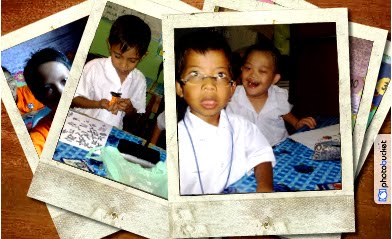
 Cerebral palsy is not a disease it is a condition. Cerebral refers to the brain and palsy means weakness or lack of muscle control. In addition, cerebral palsy is not a single problem, but a complex disease in which virtually all brain cell types could need repair. Approximately 90 percent of all cases are caused by brain injury during the prenatal period (before labor begins). This condition is caused by damage to brain cells that control the movement of muscles. A person with cerebral palsy can have mild to severe physical disabilities. There are varying degrees of therapies depending on the degree of condition. However, just because a person has cerebral palsy, it does not mean they will have other disabilities.
Recent studies suggest that cerebral palsy is mostly due to factors affecting the brain before birth. In about 70 percent of cases, cerebral palsy results from events occurring before birth that can disrupt normal development of the brain. This condition is caused by an injury to the brain during pregnancy, at birth, or shortly after birth. The symptoms are usually not noticeable at birth. It was previously assumed that it was caused by fetal distress, such as a lack of oxygen, during the birth process. However, lack of oxygen at birth has not been shown to be the major cause. The motor deficits of babies are usually unrecognizable before 4-6 months of age.
A preemie’s risk of cerebral palsy is much higher than that of a full-term baby. In addition, exposure to herpes group B viruses was associated with a two-fold increase in risk. Reproductive/urinary tract infections also may increase the risk in a preterm delivery. Preemie’s are already at risk for cerebral palsy and account for approximately one-third of the cases. Adequate prenatal care may reduce the risk of the unborn baby.
Viral infections, lead poisoning, or head injuries that occur early in life can result in acquired cerebral palsy, a less common condition. Spastic cerebral palsy, the most common type, is a condition in which there is too much muscle tone. However, cerebral palsy is NOT a progressive condition, meaning that it does not worsen over time. Cerebral palsy generally is a long-lasting (chronic) condition.
There are roughly 8,000 infants born with this condition each year and some 1,200-1,500 preschool age children acquire cerebral palsy annually. Most children are diagnosed by age 5. Despite significant improvements in obstetric and neonatal care in recent years, the incidence of cerebral palsy has not decreased.
Types
Athetoid cerebral palsy affects the ability to control muscles, leading to involuntary and uncontrolled movements in the affected muscles
Spastic cerebral palsy is the most common type of cerebral palsy. Approximately 60 percent of all individuals with cerebral palsy have spasticity that is characterized by tense, contracted muscles. Doctors will often describe which type of spastic cerebral palsy a patient has, based on which limbs are affected.
Ataxic cerebral palsy affects the sense of balance and depth perception. Children who suffer from ataxic cerebral palsy can be described as being very shaky and unsteady.
Symptoms
Children with cerebral palsy may develop eating difficulties, bladder and bowel control problems, breathing problems, and learning disabilities. Children with cerebral palsy have limited use of their arms due to the dysfunction of their neural motor control and stiffness of their joints. Dysarthria is common in people with cerebral palsy, due to problems involving the muscles that control speech and mastication. Although Cerebral Palsy is a permanent condition, as a person learns and grows and practices skills, more control over movement may be achieved.
Treatment
Treatment of cerebral palsy requires a team of specialists to help maximize and coordinate movement, minimize discomfort and pain, and prevent long-term complications. Because the symptoms of cerebral palsy can cause behavioral and emotional problems, many children benefit from counseling or behavior therapy. It is also not “curable” in the accepted sense, although education, therapy, and applied technology can help persons with cerebral palsy lead productive lives.
The goal of drug therapy is to reduce the effects and prevent complications. Physical, speech, and occupational therapy along with counseling today are employed to help people lead healthy, productive lives. Most children with cerebral palsy benefit from early and regular physical and occupational therapy. In addition, education, therapy, and applied technology can help persons with cerebral palsy lead productive lives.